Introduction
Water damage can wreak havoc on buildings, causing pricey repair services and substantial structural problems. Among the numerous techniques utilized to minimize these risks, grading and erosion control attract attention as necessary methods for securing your land. In this thorough overview, we will certainly discover the ins and outs of grading and disintegration control, along with strategies such as forestry mulching, bush hogging, land clearing, and using equipment like excavators and skid steers By comprehending exactly how to efficiently implement these techniques, you can secure your home against water damages while improving its general value.
Grading and Erosion Control: Safeguarding Your Home from Water Damage
Grading is the procedure of leveling or sloping land to guide water flow away from frameworks, making sure that rain drains pipes properly. This is critical in preventing water merging around structures-- an usual root cause of significant damage. Erosion control enhances grading by supporting dirt and preventing it from getting rid of throughout heavy rainfall.
What is Grading?
Grading entails reshaping the land's surface area to facilitate drainage and improve ease of access. This can include leveling unequal areas, producing inclines, or building berms. Appropriate grading assists take care of surface water overflow effectively.
Why is Grading Important?
The relevance of grading can not be overstated. It not only shields your residential or commercial property from prospective water damage yet also enhances its functionality for landscaping or building and construction projects.
Benefits of Grading
- Prevents Water Build-up: Properly graded land enables reliable drainage. Enhances Aesthetic Allure: Level surfaces are more aesthetically appealing for landscaping. Increases Home Value: Properly maintained homes typically have higher market values.
Understanding Disintegration Control
Erosion control includes a range of strategies utilized to prevent soil loss due to wind or water activity. Reliable erosion control is essential for keeping soil health and wellness and stability.
Types of Disintegration Control Techniques
Vegetative Methods: Growing lawn or hedges to hold dirt in place. Structural Methods: Utilizing barriers like silt fencings or keeping walls. Mechanical Techniques: Making use of machinery for earthmoving tasks.The Function of Forestry Mulching in Erosion Control
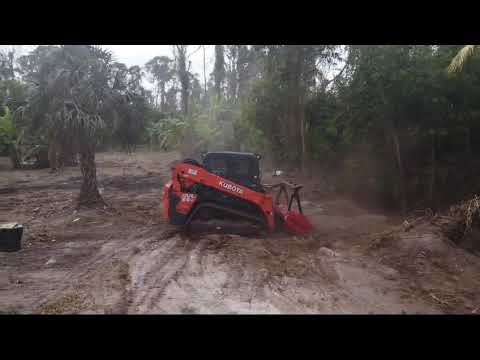
Forestry mulching is an efficient method for getting rid of land while simultaneously advertising disintegration control. By grinding trees and brush into mulch, it produces a safety layer on the ground that reduces dirt exposure.
Advantages of Forestry Mulching
- Prevents dirt disintegration by providing ground cover. Enhances moisture retention within the soil. Reduces weed growth, permitting indigenous plants to thrive.
Bush Hogging: Cleaning Land Efficiently
Bush monopolizing describes making use of a bush hog accessory on a tractor or skid steer to clear thick plant life swiftly. This method prepares the land for more grading and erosion control measures.
Benefits of Bush Hogging
- Rapidly removes thick brush and weeds. Prepares websites for new building and construction projects. Reduces discharge dangers by getting rid of excess vegetation.
Land Cleaning: An Overview
Land clearing up includes removing trees, bushes, and various other barriers from a piece of building before growth begins. This step prepares for efficient grading and disintegration control practices.
Steps in Land Clearing
Assessment: Evaluating what requires removal. Planning: Developing a clear technique for clearing. Execution: Executing the strategy using ideal equipment like excavators or skid steers.Excavators: Hefty Equipment for Grading
Excavators play an essential duty in grading jobs due to their adaptability and power. They can excavating trenches, relocating planet, and shaping landscapes efficiently.
Key Functions of Excavators
- Hydraulic arms enable precision work. Capable of dealing with huge quantities of dirt quickly. Attachments available for various jobs (e.g., buckets, grapples).
Skid Steers: Versatile Devices for Dust Work
Skid steers are portable devices ideal for tiny grading work where room is restricted. Their agility makes them ideal for maneuvering about tight spots while performing essential dirt work.
Benefits of Making use of Skid Steers
- Compact size allows access to hard-to-reach areas. Versatile accessories enhance functionality (e.g., forks, rakes). Efficient operation minimizes labor prices on projects.
Best Practices in Grading
When undertaking grading projects, following finest techniques can significantly reduce dangers related to incorrect water drainage:
1. Analyze Your Site Thoroughly
Before any work starts, conduct an extensive assessment of your website's topography and existing drainage patterns. Identifying high-risk areas allows you to tailor your strategy effectively.
2. Select Appropriate Slopes
A slope between 1% to 5% is usually suggested for efficient drainage without causing too much runoff or erosion.
3. Use Natural Drain Patterns
Harness natural swales (low locations) on your residential property by routing water circulation in the direction of them rather than creating man-made networks that might deteriorate easily.
Erosion Control Solutions
To guarantee durable defense against disintegration, think about implementing multiple services that interact synergistically:
Vegetative Cover Solutions
Plant indigenous lawns or ingrained plants that stabilize soil throughout rainfall occasions while promoting regional biodiversity at the same time!
Structural Solutions
Utilize silt fences around prone locations throughout building activities; they catch debris before it goes into close-by waterways!
Frequently Asked Inquiries (FAQs)
What Prevail Root causes of Water Damage?
Water damages commonly results from poor grading practices causing incorrect water drainage systems combined with hefty rainfall occasions or flooding scenarios!
How Can I Inform If My Property Demands Grading?
Signs indicating potential concerns consist of standing water after rainfalls; foundation fractures; uneven surfaces; all aiming towards insufficient slope management!
Is Forestry Mulching Eco Friendly?
Absolutely! It promotes lasting methods by recycling organic materials back right into nature while minimizing forestry service herbicide usage needed otherwise!
Can I Execute Grading Myself?
While do it yourself alternatives exist-- especially when making use of smaller sized tools-- it's often wiser hiring experts experienced with local guidelines making sure compliance plus safety!
What Needs to I Expect During Land Clearing?
Expect sound pollution plus visible adjustments across landscapes as devices operates siloam springs land clearing rapidly eliminating undesirable plant life developing clear paths ahead!
How Usually Should I Inspect My Residential Or Commercial Property For Disintegration Issues?
Regular examinations twice annual plus after major tornados aid catch early indicators avoiding costly repair services later on down line!
Conclusion
In verdict, recognizing how grading and erosion control safeguard your residential or commercial property from water damages is vital in efficient land monitoring strategies today! Whether employing forestry mulching strategies or making use of powerful excavators/skid steers-- each device plays its unique function guarding investments long-term! By taking aggressive actions-- not simply reactive procedures-- you'll make sure both immediate advantages plus future durability versus unpredictable weather patterns!